
World’s Largest Alumina Refinery Outside China Abruptly Halves Output On NatGas Disruption
Norwegian aluminum producer Norsk Hydro’s Alunorte plant in Brazil, one of the world’s largest alumina refineries, reduced output by 50% following disruptions to natural gas availability.
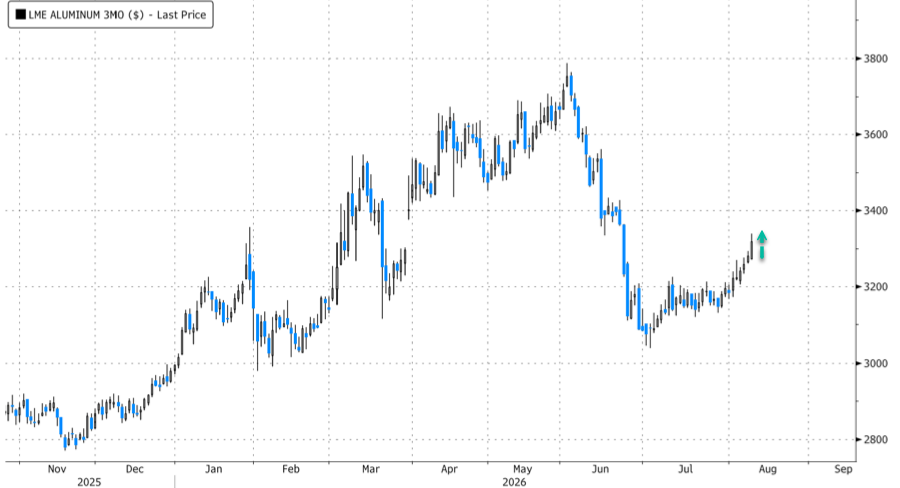
Bloomberg reports that disruptions to NatGas availability at Alunorte forced a 50% reduction in output and sent aluminum prices in London to a seven-week high. Hydro said production would return to full capacity once gas supplies normalize.
Aluminum rose nearly 2% in London and traded at $3,373 a metric ton. Alumina futures gained 1% in Shanghai.
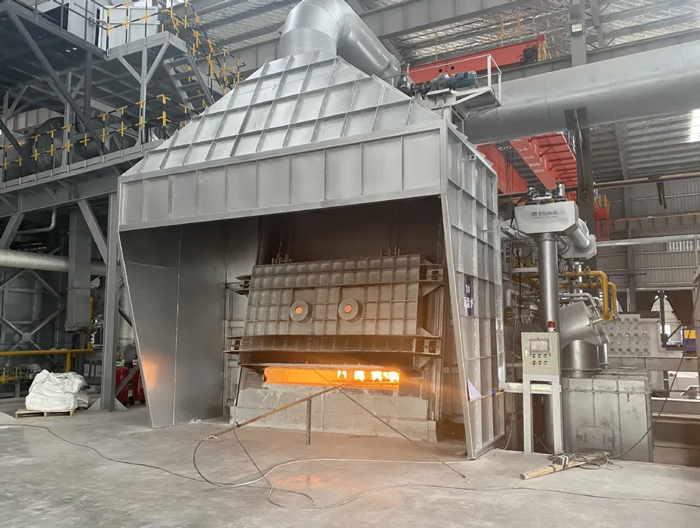
NatGas is critical to Alunorte because alumina refining requires high-temperature heat and steam. The gas powers the Bayer process, which refines bauxite:
- Digestion: Bauxite is mixed with caustic soda and heated under pressure to dissolve the aluminum-bearing minerals.
- Evaporation and steam generation: Large boilers provide steam throughout the refinery.
- Calcination: Aluminum hydroxide is heated to around 1,832F to remove water and produce smelter-grade alumina.
The disruption means that Alunorte cannot maintain enough steam and furnace heat to operate its production lines, forcing the refinery to reduce throughput. For context, Alunorte is the world’s largest single-site alumina refinery and the largest outside China. It is located in Barcarena, Pará, and has an annual capacity of 6.3 million metric tons.
Inventories in London Metal Exchange warehouses have fallen to 250,000 tons, the lowest level since November 1990. Norsk Hydro recently warned that the annual global aluminum deficit could top 900,000 tons if trade through the Strait of Hormuz remained disrupted.
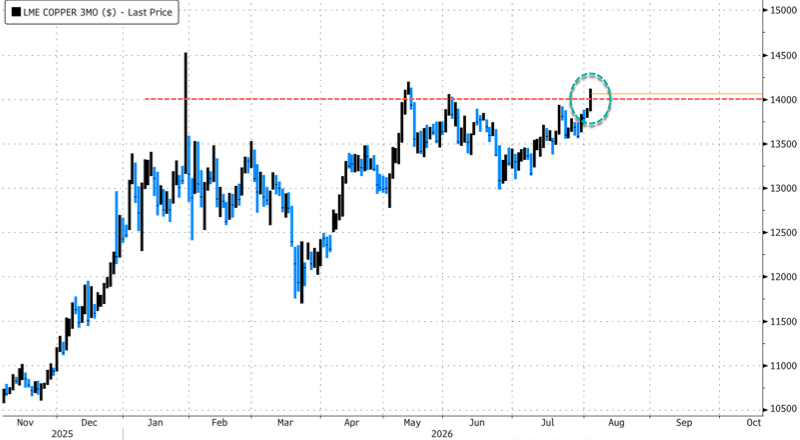
Also in the industrial metals space, copper futures in London are trading above $14,000 per ton as metal inflows into the US continue ahead of President Trump’s expected tariff, effectively tightening global supplies.
Surging prices for both industrial metals will only make electrification and decarbonization even more expensive.
“Copper and aluminum are important beneficiaries of electrification and decarbonization,” said UniCredit SpA strategist Thomas Strobel. “While copper’s investment case is driven by structural supply constraints, aluminum benefits from lightweighting, grid expansion and recycling. Together, they offer complementary exposure to some of the strongest long-term trends in the global economy.“
Tyler Durden
Wed, 08/12/2026 – 05:45