Mamdani Has A Nearly 200 Person “Influencer Network” Sometimes Paid Using Taxpayer Money
A new investigation is putting Mayor Zohran Mamdani’s social media operation under scrutiny after revealing that City Hall has cultivated a network of nearly 200 online creators to help distribute information about the administration, according to the New York Post.
The Columbia Journalism Review reports that members of the network receive regular material from the mayor’s communications staff, including announcements, suggested messaging, videos and other content they can incorporate into their own posts.
Much of that communication reportedly takes place in a private Signal group called “NYC Creators Announcements.” The group is overseen by Emilia Rowland, City Hall’s Director of New Media and Cultural Communications, along with members of her staff.
The Post writes that Rowland reportedly earns $175,000 annually. City Communications Director Anna Bhar, who oversees the broader communications operation, is paid $260,000.
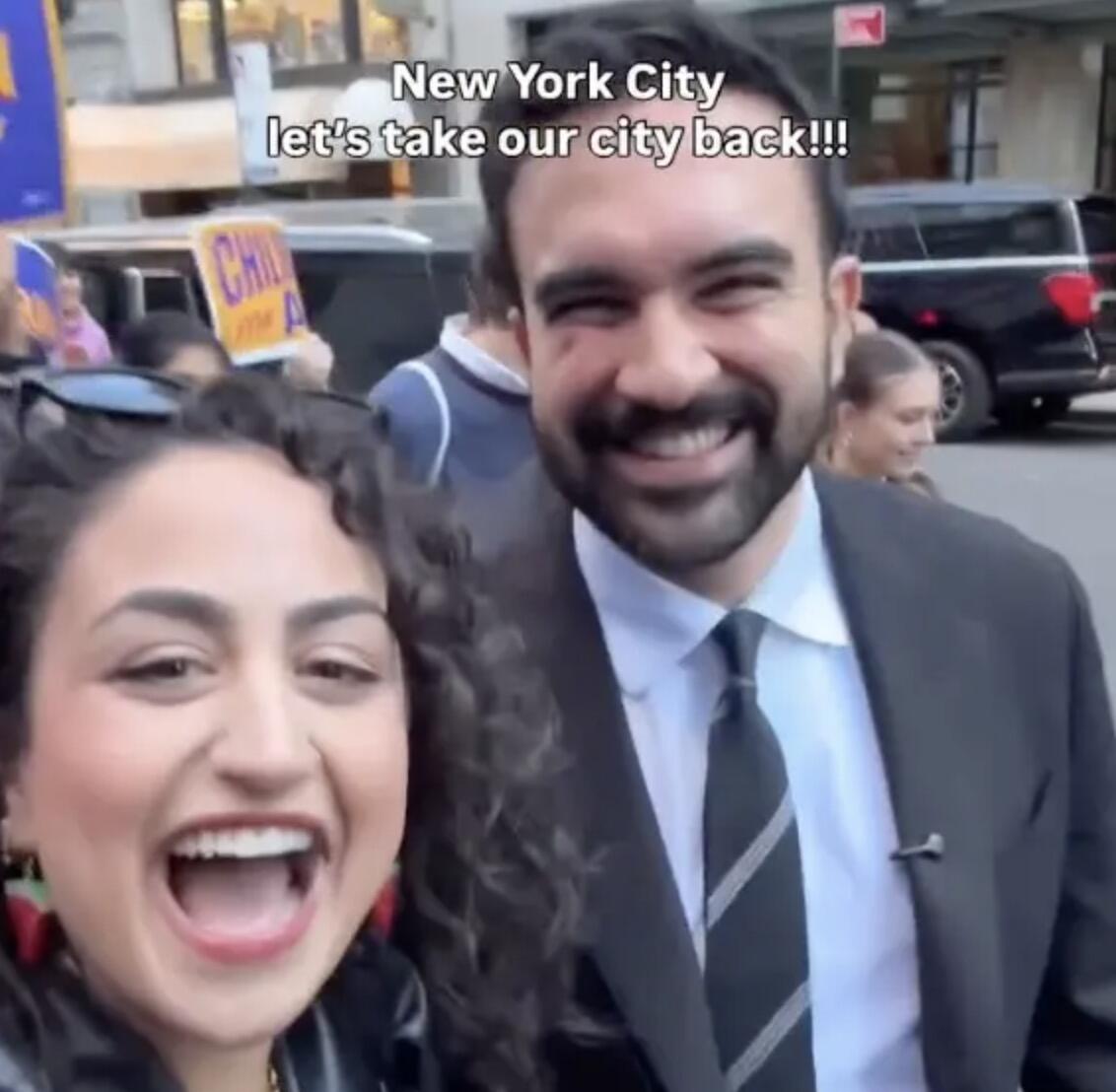
The network has roots in Mamdani’s 2025 mayoral campaign, when supportive creators organized around an effort known as Creators4Zohran. After Mamdani became mayor, City Hall established a more formal way of communicating with many online creators and supplying them with material about the administration.
That connection between a campaign era supporter network and an official City Hall communications operation is now receiving attention from government watchdogs. Money is another part of the story.
The CJR investigation did not find that influencers were paid to post favorable coverage of Mamdani. City Hall also says the mayor’s office has not paid creators for collaborations or content production.
The investigation did find, however, that some influencers have received taxpayer funded compensation for work connected to specific advertising or public messaging campaigns run by city agencies.
Influencer marketing itself is not new to New York City government. Agencies have used outside marketing companies and online personalities for public information campaigns for years. According to the reporting, such campaigns have commonly cost between $5,000 and $20,000.
The New York Post also reports that a review of current contracts identified more than $100,000 in spending this year by the Department of Social Services connected to a social media campaign. The underlying three year contract predates Mamdani and was signed in 2025 under former Mayor Eric Adams.
One important question remains unanswered: Which members of the influencer network have received city money, and how much have they received?
Watchdog groups say that information should be readily available so New Yorkers can distinguish between someone independently expressing support for the mayor and a creator who has also had a financial relationship with city government.
There are separate concerns about City Hall’s decision to use Signal. Government communications concerning official business generally have to be retained in accordance with public records requirements. Signal is an encrypted messaging application that includes an option allowing messages to disappear.
City Hall maintains that officials are permitted to use Signal when authorized and says employees still must comply with applicable record retention rules and New York’s Freedom of Information Law. It has not been established publicly whether messages inside this particular group are set to disappear.

Mamdani said his administration intends to comply with legal requirements governing city records and said officials would investigate and correct any failure to meet those requirements.
Nile Berry, an influencer who belongs to the group, told reporters that only a small number of administration officials are able to send messages and described most of the information they distribute as ordinary announcements. He also acknowledged that using Signal could create questions because of the app’s association with private communications.
The story comes as Mamdani’s broader communications strategy is already facing scrutiny, including criticism of the administration’s $54 million Office of Mass Engagement and other publicly funded media initiatives.
There is an important distinction here. The reporting does not show that City Hall simply handed 200 influencers checks in exchange for praising Mamdani.
What it does show is an unusually close relationship between the administration and a large collection of sympathetic online creators. City employees provide material directly to the network.
Some creators in this broader ecosystem have done paid work for city agencies. The operation includes people who previously participated in a campaign era supporter network. Much of the communication occurs through a private Signal channel.
Tyler Durden
Thu, 09/03/2026 – 19:40