
US Cattle Slaughter Plunges 16% In A Day As Immigration Crackdown Guts Kansas “Golden Triangle” Workforce
A heightened wave of federal immigration enforcement in southwest Kansas has sent a shockwave through the U.S. beef supply chain, causing severe processing plant slowdowns, stranding thousands of cattle at feedlots, and threatening to drive up consumer meat prices.
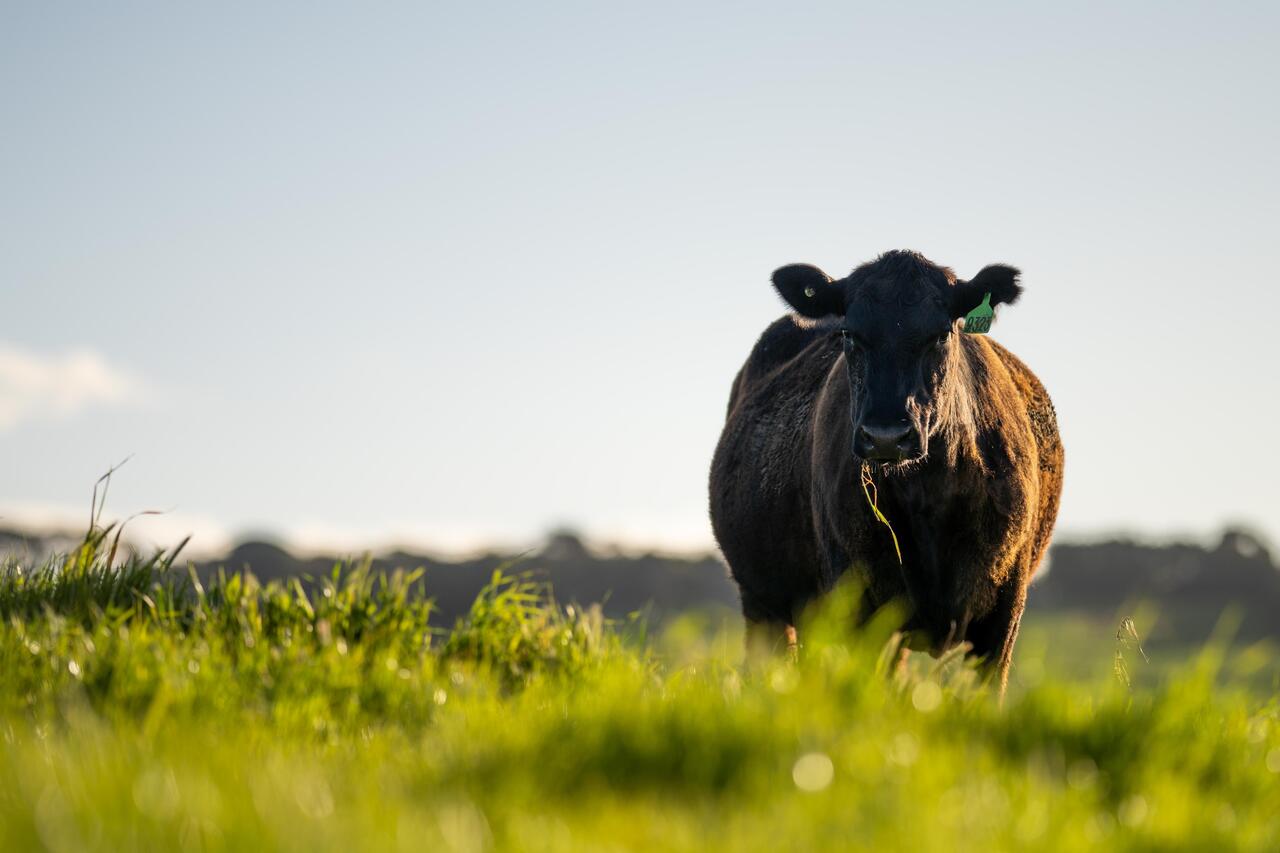
U.S. cattle slaughter plummeted 16% to an estimated 90,000 head on Thursday, September 24, as fear of Immigration and Customs Enforcement (ICE) activity led to widespread workforce absenteeism. By Friday, slaughter numbers remained 14% below the previous week’s levels, translating into millions of dollars in lost revenue for producers whose animals are suddenly backed up.
The disruptions are centered in the Kansas “Golden Triangle” of commercial beef packing, which encompasses Dodge City, Liberal, and Garden City. This rural region is home to massive facilities operated by Cargill, Tyson Foods, and National Beef. Collectively, these plants process roughly 24,000 head of cattle per day, representing more than 20% of daily U.S. fed-cattle slaughter capacity.
Agricultural groups, including the Kansas Livestock Association, Texas Cattle Feeders Association, and Oklahoma Cattlemen’s Association, warned that the unannounced enforcement actions are creating supply-chain chokepoints from feedyards to processors. In a joint statement, the organizations said the ICE presence has created a “massive chilling effect on the legal, documented, skilled workers that put beef on the table and keep the cattle supply chain moving.”
The Department of Homeland Security has pushed back against characterizations of the sweeps as worksite raids. “ICE is not conducting worksite operations in Kansas,” Homeland Security Secretary Markwayne Mullin said, adding that agents are targeting “heinous criminals including murderers, rapists, and drug traffickers and illegal aliens with final orders of removal.” However, the heavy presence of federal agents near packing plants and in local communities has kept many of the region’s agricultural workers at home.
Local officials from Dodge City, Garden City, and Liberal reported receiving no advance notice of the federal operation. “When ICE operates in Kansas, it needs to coordinate with our local law enforcement,” said Sen. Roger Marshall, who along with fellow Kansas Republican Sen. Jerry Moran has pressed DHS on the operation. “Our community is a ghost town,” Liberal’s vice mayor told Reuters. “Businesses are not open because people are scared to leave their homes.”
The labor shock arrives at a particularly sensitive time for the cattle market. Driven by prolonged drought, the U.S. cattle herd has shrunk to its smallest size in roughly 75 years. This historically tight physical market caused cattle futures to gyrate wildly this week as traders weighed the sudden loss of processing capacity against limited animal supplies. Texas Agriculture Commissioner Sid Miller said ranchers are receiving $300 to $500 less per head for their cattle.
The situation presents a unique policy collision in Washington. The Trump administration has actively sought to lower historically high consumer beef prices by expanding access to imported meat and enacting other supply-side measures. However, the abrupt reduction in domestic processing capacity – triggered by the administration’s own immigration enforcement push – directly undercuts those efforts.
As the backlog grows, market-ready animals are getting heavier at feedlots, piling up feed costs and creating animal welfare concerns. Industry groups warn that if the Kansas bottleneck persists, fewer cattle moving through packing plants will mean less beef on supermarket shelves – and higher prices at the meat counter.
Tyler Durden
Mon, 09/28/2026 – 18:50