
The $40 Billion Minerals Gamble: Can Trump Break China’s Chokehold Before The West’s Rearmament Hits A Wall?
The Trump administration has committed billions of dollars to rebuild conflict-free critical materials supply chains outside China. The question remains whether these supply chains will be up and running in time for the West’s rearmament cycle, which desperately needs missiles, bombs, drones, fighter jets, submarines, and even night-vision equipment.
Bloomberg Intelligence analysts published a note today titled “Defense-Critical Mineral Capital Moves Downstream,” analyzing whether more than $40 billion in announced support will translate into reliable near-term supplies and improve defense readiness.
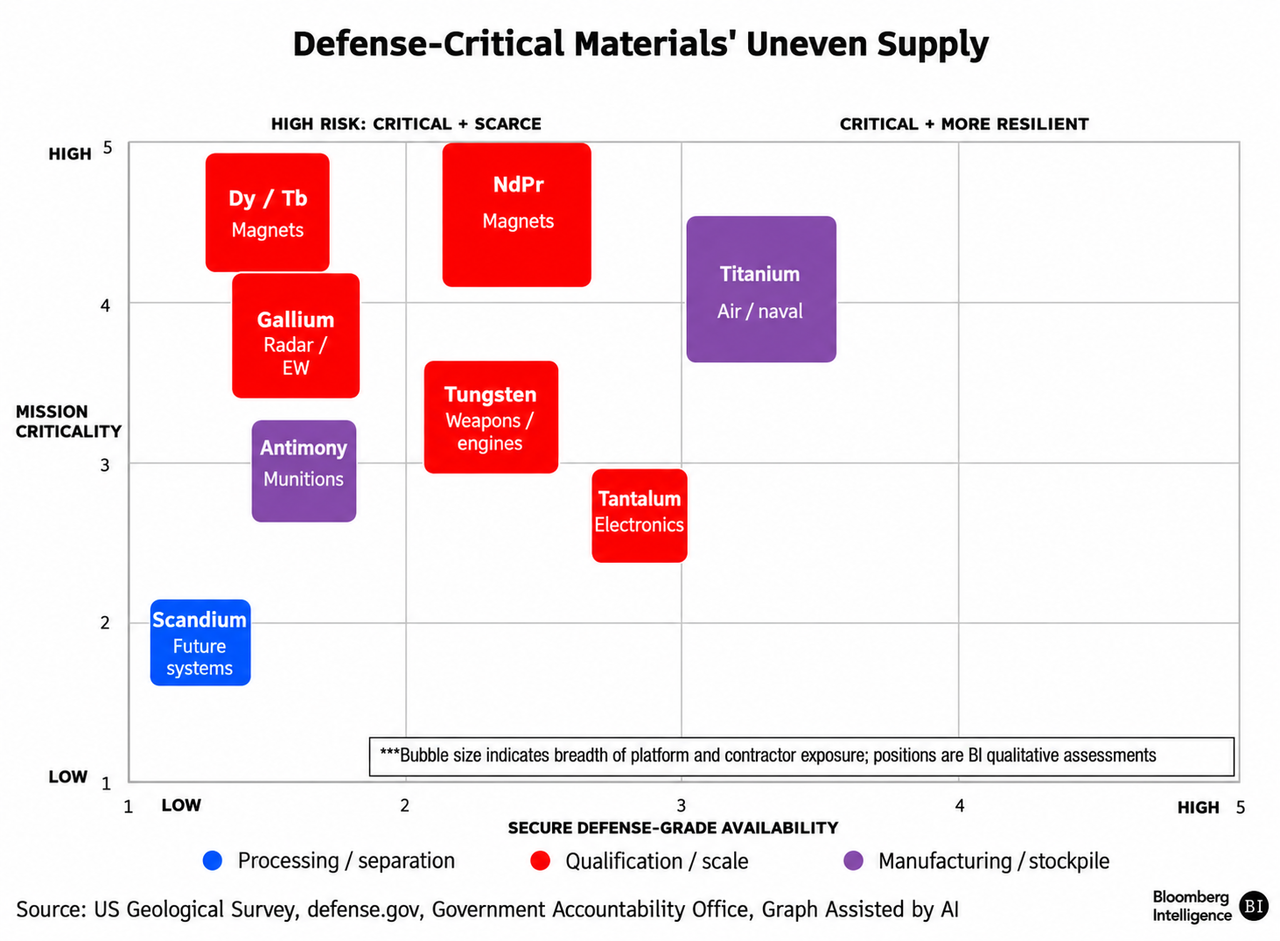
“Execution, not government support alone, will determine if US critical-minerals policy translates into durable revenue and stronger defense readiness,” the analysts wrote.
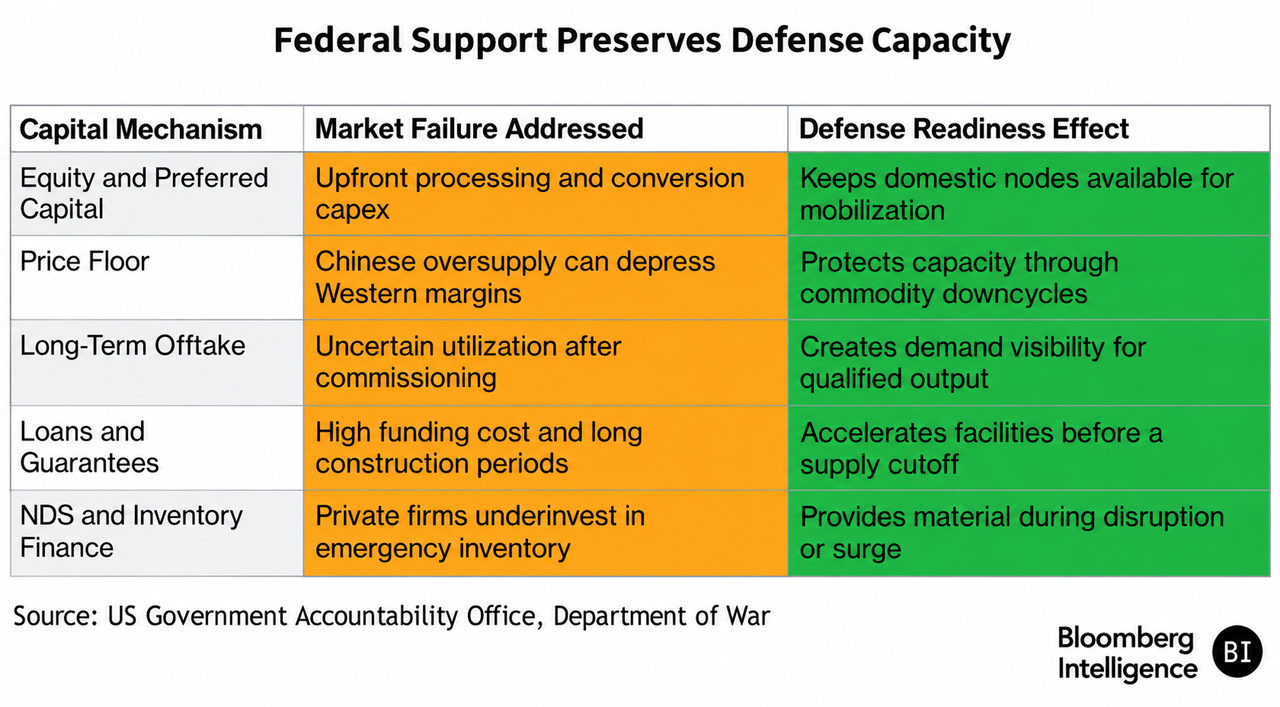
They continued, “Policy is moving beyond grants toward equity, price floors, loans, offtake and stockpiles designed to preserve capacity through commodity cycles.”
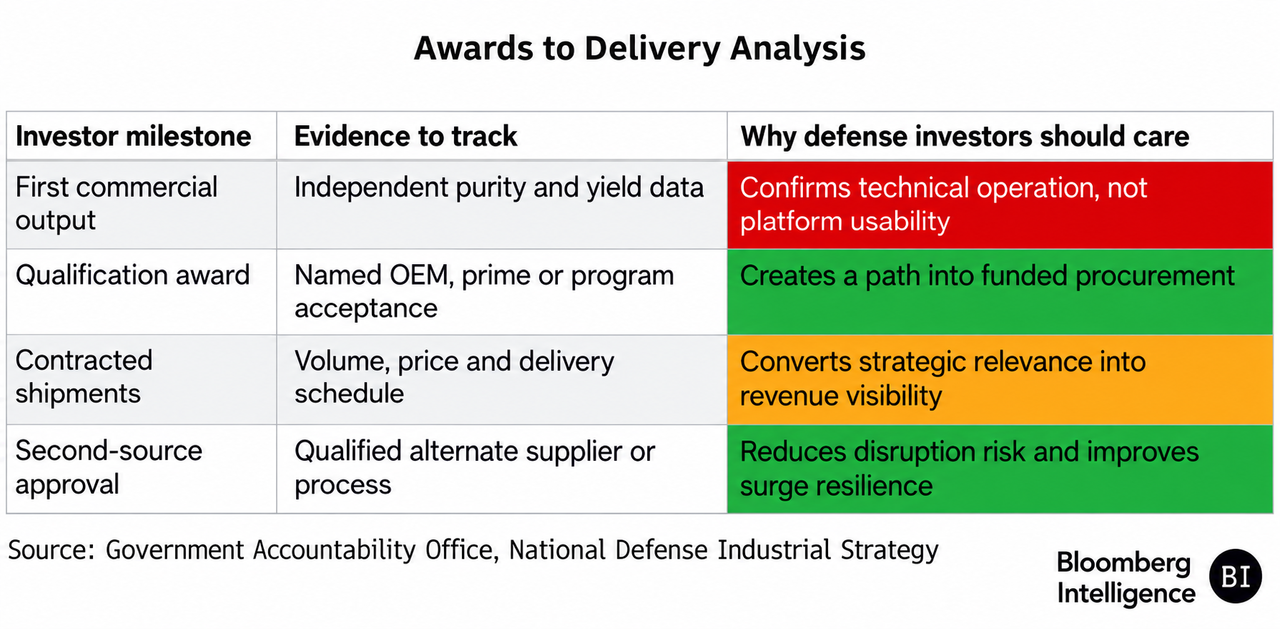
Adding, “MP Materials and ATALCO offer the clearest near-term links to magnets and gallium, while IperionX and Perpetua provide targeted titanium and antimony exposure. Defense-grade output, customer qualification and contracted volume still need to follow announced capacity.”
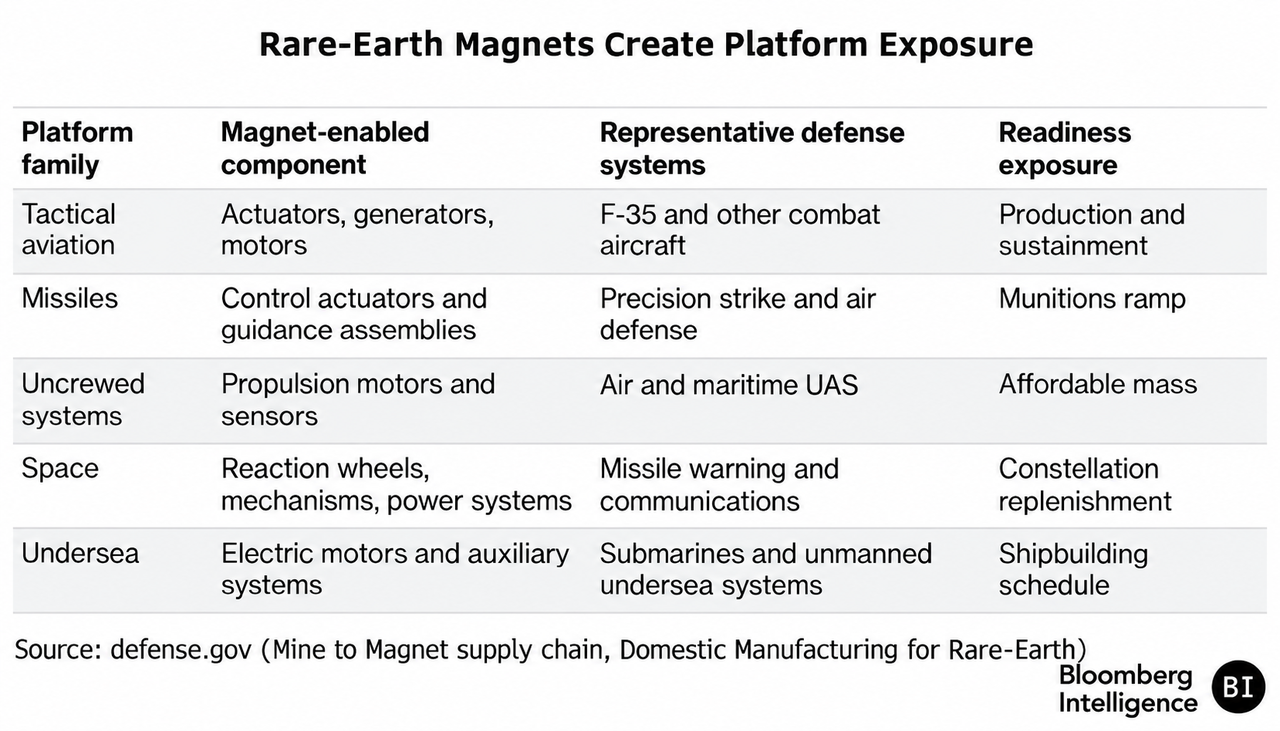
Beyond the mining aspect of rejiggering critical materials supply chains, refining and downstream production remain critically important, including heavy-rare-earth separation, manufacturing yields, customer qualification, and reliable deliveries.
These high-grade critical materials are essential for missiles, drones, satellites, and undersea platforms. The F-35 alone requires more than 900 pounds of rare-earth materials, the analysts noted.
Breaking China’s “quasi-monopolistic position” in critical materials is unlikely to be a this-decade story. Christian Keller, Barclays’ global head of economics research, recently pointed out that mining and refining of these critical materials will persist through 2030.
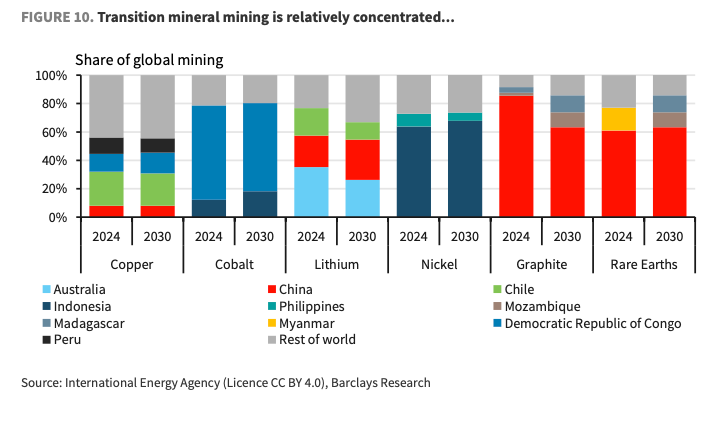
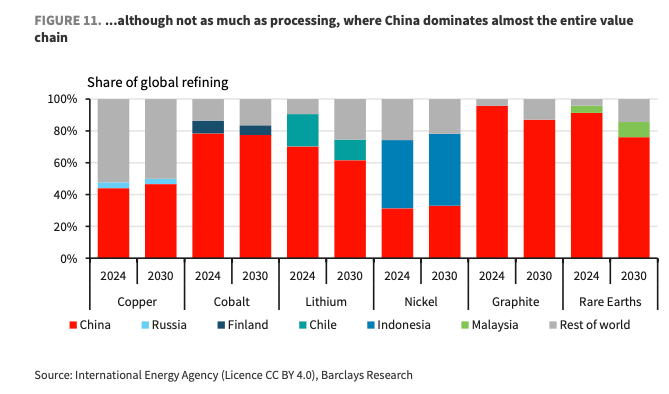
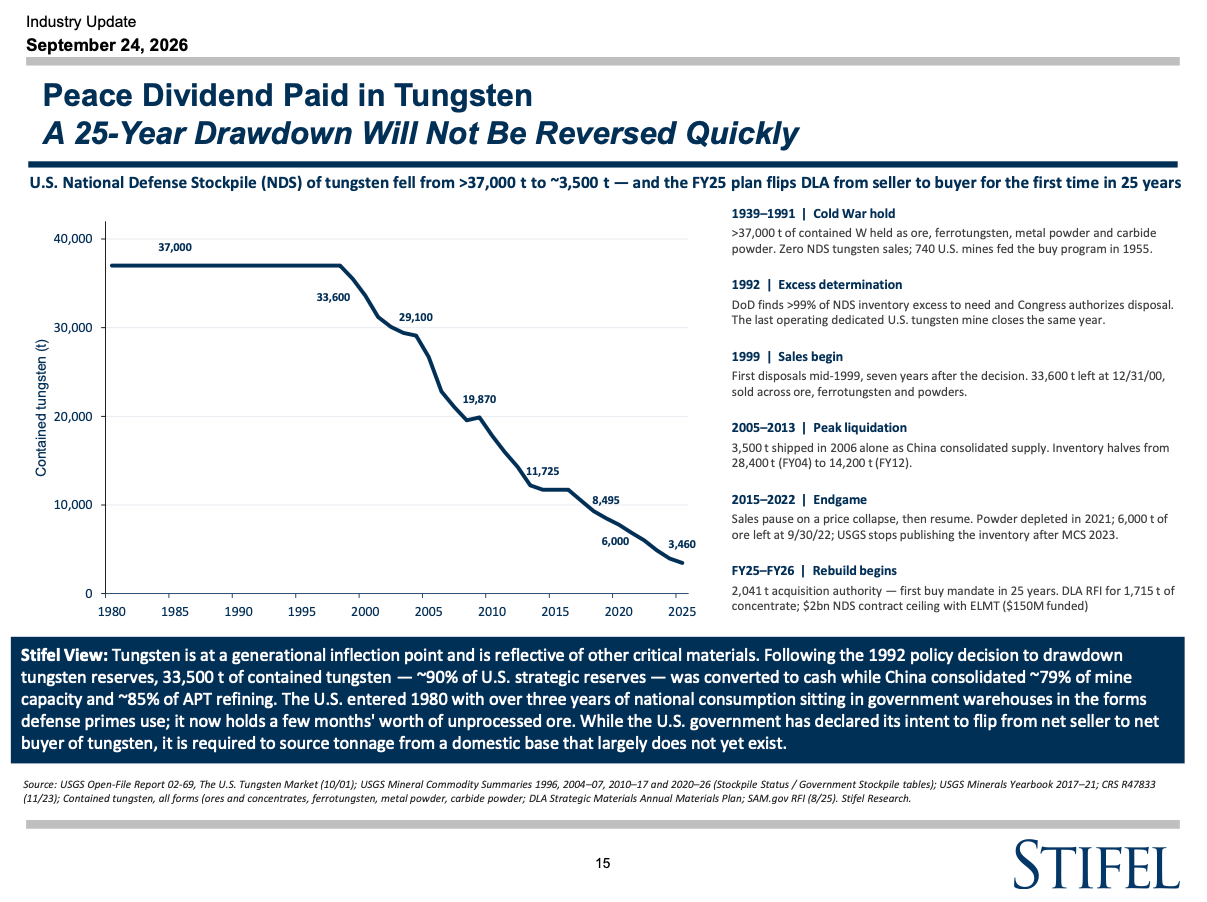
Stifel aerospace and defense analyst Jonathan Siegmann wrote in a note last week that investors want to “own the bottlenecks” in the critical materials space, mainly the producers that can deliver today.
Siegmann’s most important chart in the report was the near-depletion of US tungsten reserves.
Adrien Rabier, Bernstein’s equity analyst covering European aerospace and defense, put a timeline on the EU’s defense rearmament supercycle, which is already ramping up and will last through 2030.
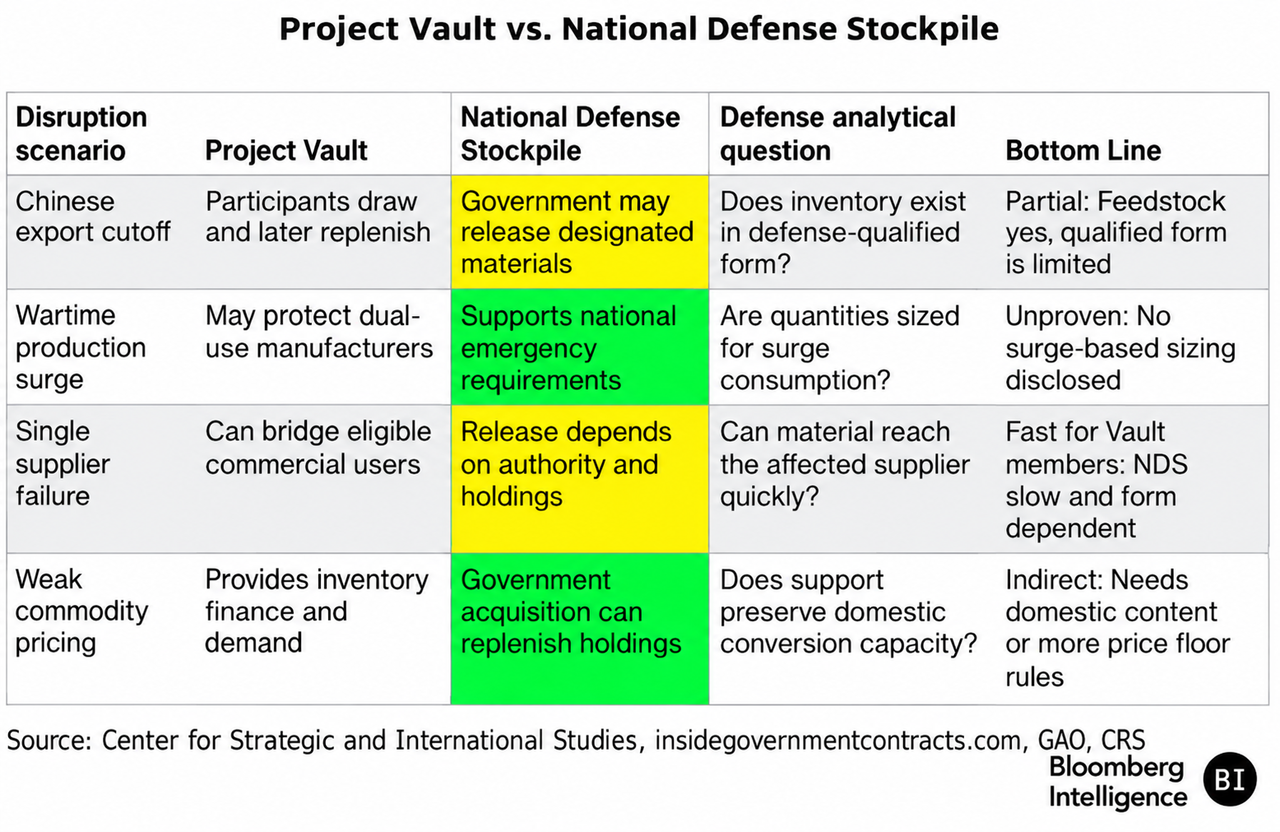
Bloomberg Intelligence analysts added that the Trump administration’s Project Vault, intended to rebuild the nation’s critical materials stockpiles, provides another buffer by financing inventories for civilian and dual-use manufacturers can draw down and replenish. It complements the National Defense Stockpile but does not replace its emergency role or guarantee that material will be available in military-qualified form.
The only problem is that new mining projects take years to commission, while refining supply chains also take time to come online, as this shortage of critical materials collides with a rearmament supercycle in the West. As for tungsten, Jefferies, Goldman, and Stifel favor this miner, which is set to become the West’s largest ex-China supplier.
Tyler Durden
Thu, 10/01/2026 – 20:30