
Speculation About A SpaceX–Tesla Merger Is Already Growing
SpaceX’s record-breaking IPO has fueled speculation that Elon Musk could take an even bigger step: merging SpaceX with Tesla to create a roughly $4 trillion technology conglomerate spanning rockets, AI, satellites, electric vehicles, robotics, energy, and social media, according to a new report from the New York Times.
The idea has gained traction among investors, analysts, and even SpaceX executives. Tesla and SpaceX already share personnel, collaborate on major projects, and have business ties through AI development, data centers, batteries, and vehicle sales.
Because Musk controls SpaceX and is Tesla’s largest shareholder, any merger would effectively be a deal with himself, raising concerns about conflicts of interest and shareholder lawsuits. However, legal experts say Texas corporate law—where both companies are now incorporated—makes such challenges difficult. Shareholders generally need to own at least 3% of a company’s stock to sue, a threshold that would require roughly $45 billion in Tesla shares.
The Times notes that approval would still require support from two-thirds of Tesla shareholders. Musk controls about 20% of Tesla’s voting power, and many investors have historically backed his initiatives. Tesla’s board has also frequently aligned with Musk, while SpaceX recently added longtime Musk associate Roelof Botha to its board.
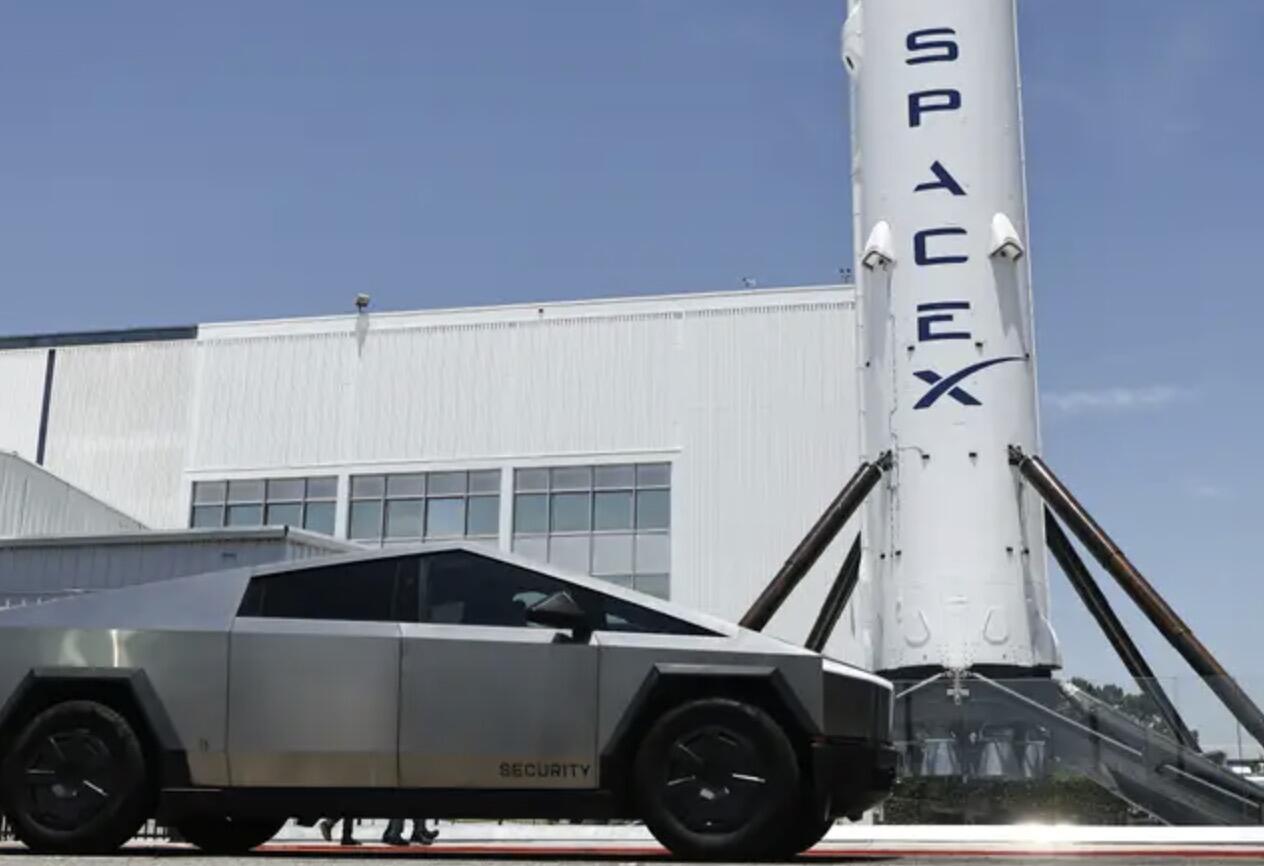
Supporters argue a merger could unlock significant synergies. Tesla’s expertise in chips, AI, and data-center construction could complement SpaceX’s ambitions in orbital infrastructure, satellite communications, and space-based computing. Ark Invest, which owns shares in both companies, has said the combination makes strategic sense, though it would prefer Tesla’s self-driving taxi business to mature first.
SpaceX President Gwynne Shotwell has acknowledged potential benefits, saying a merger could simplify Musk’s responsibilities and noting clear overlaps between the companies’ futures: “There’s no question that there are synergies between Tesla and SpaceX in our futures.”
Opponents could challenge the deal through securities-fraud claims, antitrust scrutiny, or national-security concerns, particularly given the companies’ combined presence in AI, robotics, communications, and space technology. Still, experts believe regulators would face significant hurdles, especially if the combined company continued to perform well.
“As long as he keeps running the business well and the stock price keeps going up, that is a pretty good bar to bringing a securities fraud suit,” said James Spindler, a professor of corporate law at the University of Texas School of Law.
Ultimately, the greatest obstacle may be financial rather than legal. As one corporate-governance expert noted, investors tend to support ambitious deals when markets are rising and shareholders are making money.
Charles Elson, the founding director of the Weinberg Center for Corporate Governance at the University of Delaware told The New York Times that Musk “has got this cheering section who will follow him to the gates of Hades or gates of heaven, wherever he leads them.”
“Basically he’s gotten to the point where he can do almost anything he wishes…”
Tyler Durden
Thu, 06/18/2026 – 08:15