The Loophole That Put Drunk Truckers Back On The Road
Authored by Jacob Burg via The Epoch Times,
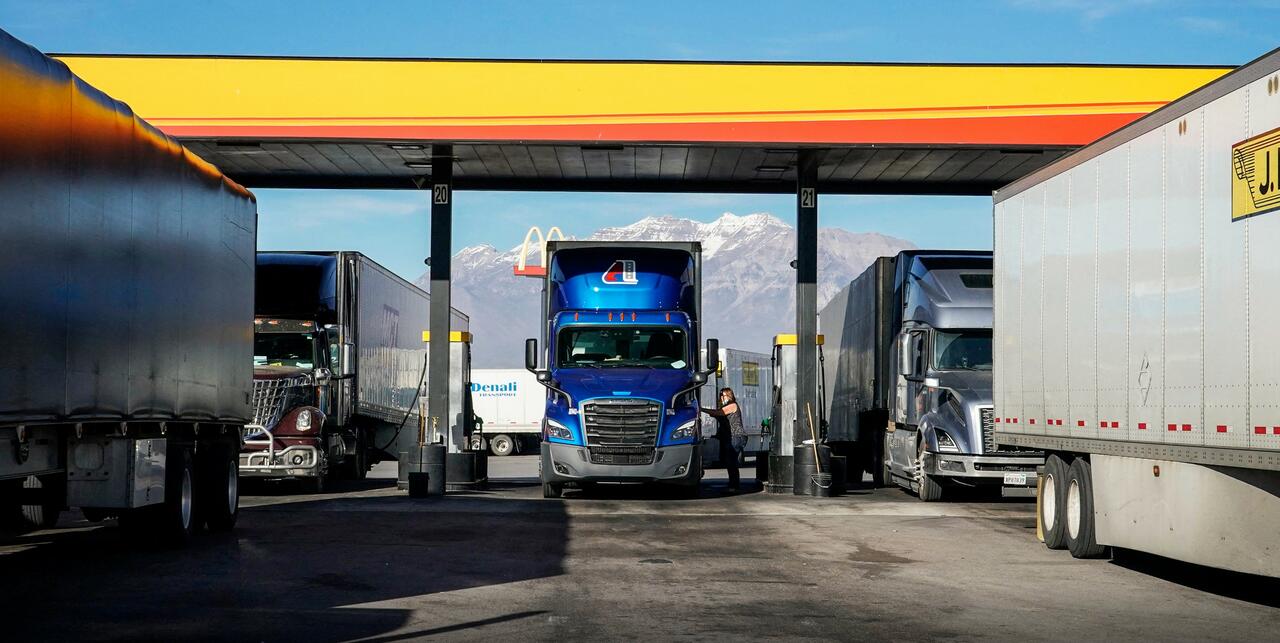
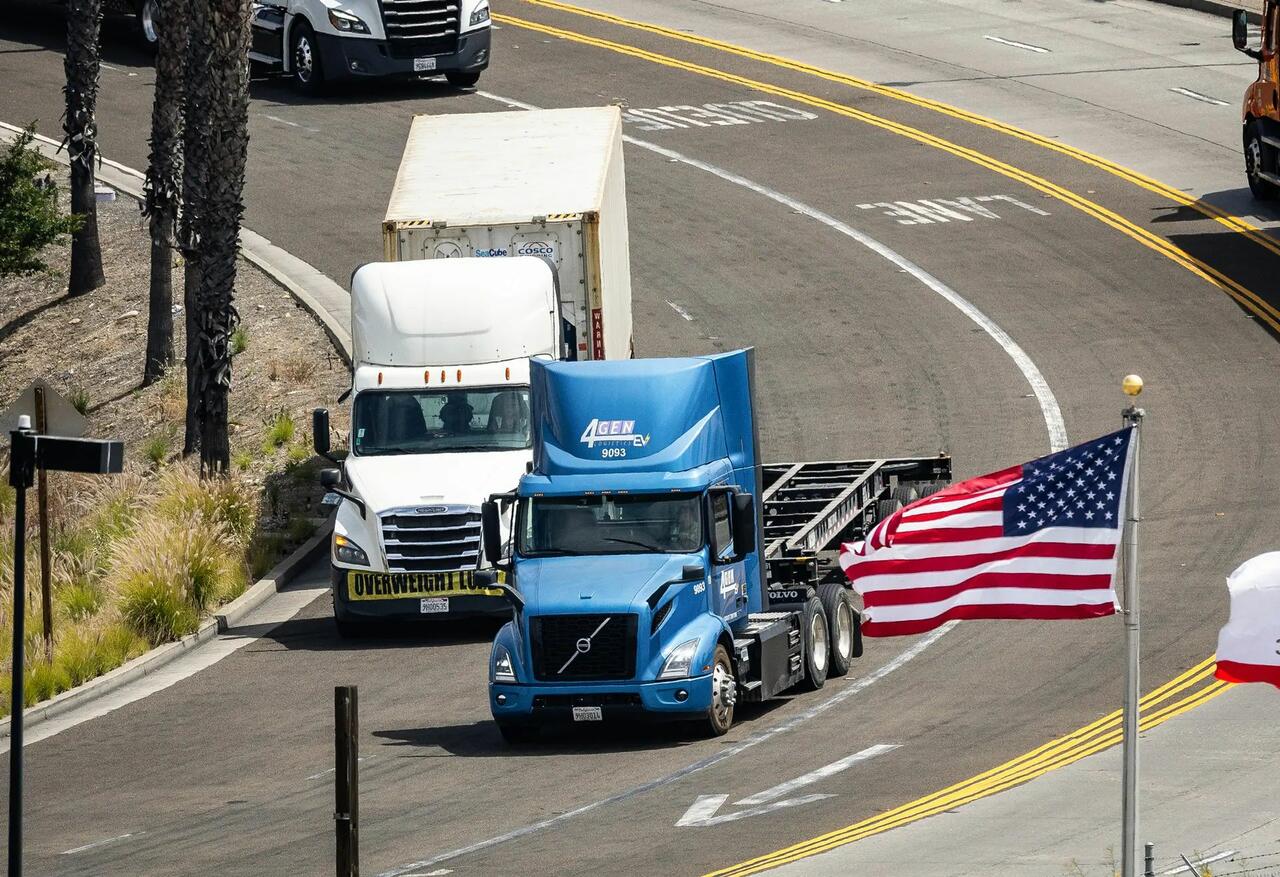
A federal database built to flag and remove drunk and drugged truckers from U.S. highways used the equivalent of an “honor system” as its last line of defense between a family in a minivan and a substance addict steering an 80,000-pound mass of steel.
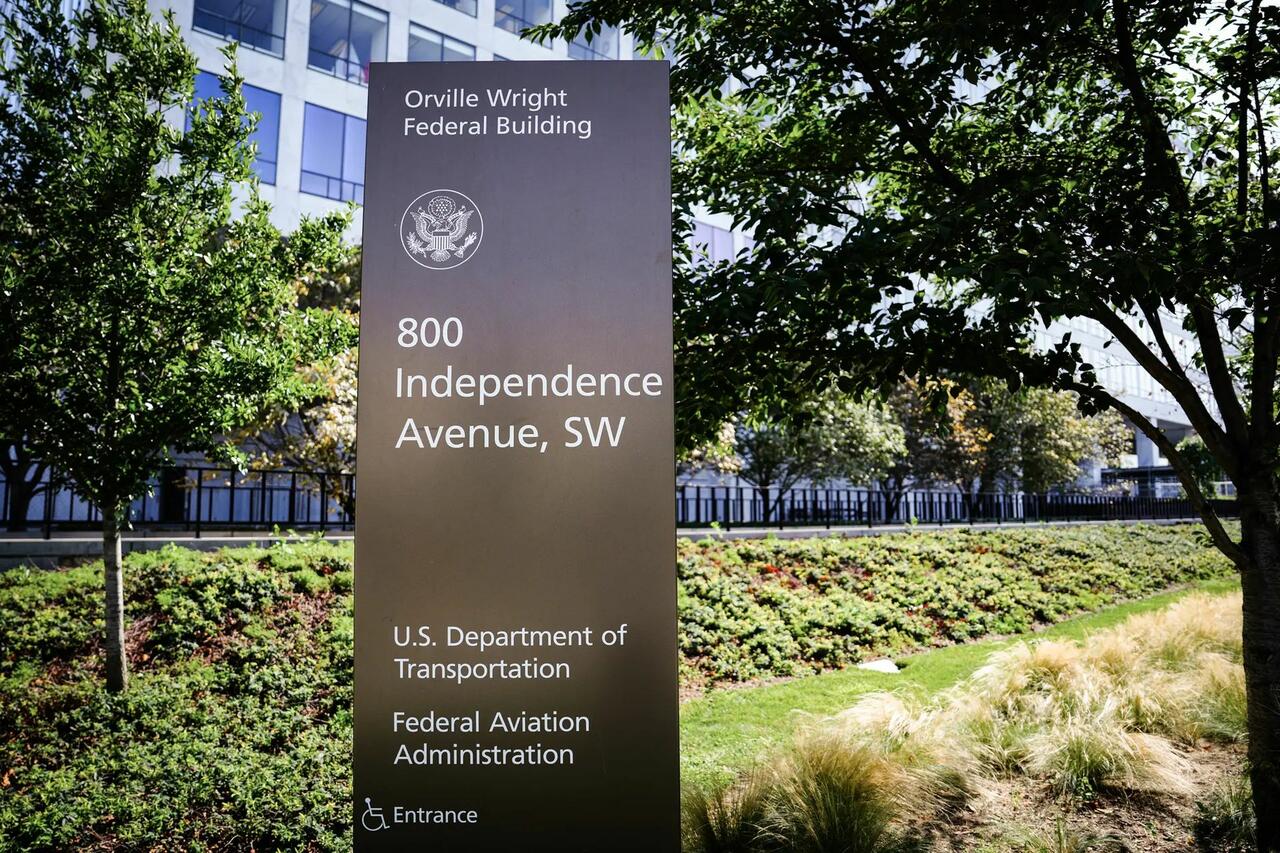
The Federal Motor Carrier Safety Administration (FMCSA) launched its Drug and Alcohol Clearinghouse in early 2020 to improve road safety by providing employers, law enforcement, and state agencies with real-time information on substance-use violations by commercial drivers.
Truckers caught driving while under the influence, or violating the Transportation Department’s alcohol and substance regulations, are flagged in the system with a “prohibited” status and must complete a return-to-duty process to reinstate their commercial driver’s licenses.
But what if a current alcoholic or drug addict could immediately get back behind the wheel by paying a third party to simply check off a box inside the database, rather than complete and pass follow-up drug or alcohol testing?
That’s how Brandon Blackburn, 34, was able to get back on the road, he told The Epoch Times. Blackburn was arrested last year on charges of driving while impaired in a construction zone with cocaine in his possession, according to the Prentiss County Sheriff’s Department.
Blackburn said his “prohibited” status was cleared by another man who simultaneously runs a trucking company and advertises his “substance abuse professional” services across a network of trucking-related Facebook groups.
According to Blackburn and evidence reviewed by The Epoch Times, Blackburn and others appear to operate within a network of actors who have been exploiting loopholes in federal rules to illegitimately clear “prohibited” commercial drivers in the federal Drug and Alcohol Clearinghouse.
This was revealed by evidence presented in a multiseries investigation by Rob Carpenter of FreightWaves, a news outlet focused on the global supply chain. The Epoch Times reviewed the evidence collected by FreightWaves, independently verified each facet of the story, and interviewed Blackburn, who confirmed that the scheme worked for him and others.
Blackburn admitted to The Epoch Times that he cleared drivers who had been flagged with drug or alcohol violations even though he didn’t have the necessary certification to do so. He claimed some of the people he helped had their licenses incorrectly flagged in the system, and said he was trying to help truckers and veterans in need.
Blackburn describes himself as a small player across a network of actors that operates like a multilevel marketing scheme. He claimed that several others are much more prolific and are still operating.
“We’ve never seen anything like this before. It sent shockwaves through our industry,” Jo McGuire, executive director of the National Drug and Alcohol Screening Association, told The Epoch Times.
The implications are not just grave for road safety, but also for employers who rely on the clearinghouse to avoid hiring drivers who may be at a higher risk of bringing on a multimillion-dollar court settlement in the event of a serious highway accident.
This is how the scheme proliferated in plain sight, and why, despite new and upcoming rule changes to the certification process in the clearinghouse, employers may be unaware they’re hiring a potentially dangerous driver.
The Scheme Explained
Once a driver is caught driving under the influence, or is flagged after testing positive for drugs or alcohol, his or her license receives a “prohibited” status from the clearinghouse.
Examples of drug and alcohol violations include having a blood alcohol level of 0.04 or greater while on duty for “safety-sensitive” operations and using any prohibited drugs.
Even driving with sealed alcohol containers in the cab, as long as they are not part of the driver’s shipment, counts as an alcohol violation.
In late 2024, the FMCSA updated the clearinghouse to immediately downgrade a commercial driver’s license once the driver received a “prohibited” flag, forcing him to start the return-to-duty process to get back on the road.
As part of the return-to-duty process, a driver typically works with his employer to select a substance abuse professional who provides an initial assessment and offers education and treatment recommendations. The process involves six steps, with the driver needing to pass a drug or alcohol test on step five before completing a follow-up testing plan in step six.
The way the federal agency designed the database was critical for how the scheme unfolded. Step five only requires a testing date, rather than a copy of a negative drug or alcohol test. The driver’s employer is responsible for verifying the results and entering the date of the negative test.
However, drivers without current or prospective employers may register accounts in the clearinghouse as owner-operators and can designate third-party administrators to complete that part of the process.
This is how the scheme proliferated, based on the evidence reviewed by The Epoch Times. Employers, substance abuse professionals, and third-party administrators were only required to self-certify in the clearinghouse database. No identity verification was involved in the process.
By law, a substance abuse professional must be a licensed physician, social worker, psychologist, certified employee assistance professional, certified drug and alcohol counselor, or state-licensed or certified marriage and family therapist.
But since the clearinghouse allowed users to self-certify, anyone could check the box without having the credentials. The same was true for third-party administrators.
Based on evidence reviewed by The Epoch Times, Blackburn and others appear to have been operating in the clearinghouse with multirole accounts, including as substance abuse professionals, third-party administrators, and employers.
Some Facebook users who publicly advertised Blackburn’s services mentioned being out of work when they began the return-to-duty process, meaning they would have had to use a third-party administrator to verify and submit the date for a negative test result.
Several online databases exist for legitimate substance abuse professionals who work with the Transportation Department, including NAADAC’s directory and SAPList.com. Blackburn could not be found on either database.
Blackburn said it’s easy to circumvent the prescribed clearinghouse process from a basic Google search. He told The Epoch Times that he got involved after seeing the scheme persist from the moment the clearinghouse was launched.
It operates like a multilevel marketing, or “pyramid,” scheme, Blackburn said. If you see a user in one of several related Facebook groups advertise helping drivers with the return-to-duty process, and they mention a particular person they worked with, that person is taking a cut.
Multiple users advertising return-to-duty services mentioned Blackburn and others based on hundreds of public Facebook comments that were reviewed for this story.
Blackburn insists he has stopped, but claims the others have not. He said he was struggling with a drug problem, relapsed last year, and that was the reason for his arrest.
Scale
Blackburn said he charged around $100 for his services and never more than $150. The entire return-to-duty program with a legitimate substance abuse professional can cost between $1,000 and $3,000 when evaluations, education, treatment, and tests are included.
A total of 368,984 violations have been reported to the Drug and Alcohol Clearinghouse since its launch, according to its most recent monthly summary report.
That tally includes 360,107 drug violations and 8,877 alcohol violations. The drug violations include the use of marijuana (206,394), cocaine (57,075), methamphetamine (29,017), and a long list of synthetic opioids.
As of Jan. 2, 328,431 drivers had been reported to the database with at least one drug or alcohol violation. Of those, 202,345 remain in “prohibited” status with their licenses still downgraded.
Tyler Durden
Fri, 05/29/2026 – 19:15