
Trump Mulls Capital Gains Relief As Midterm Sweetener
President Donald Trump is looking for new policy pledges to put before voters ahead of November, and two of them involve cutting capital gains taxes, according to National Economic Council Director Kevin Hassett and former NEC chief Larry Kudlow, who discussed the proposals on Fox Business Tuesday.
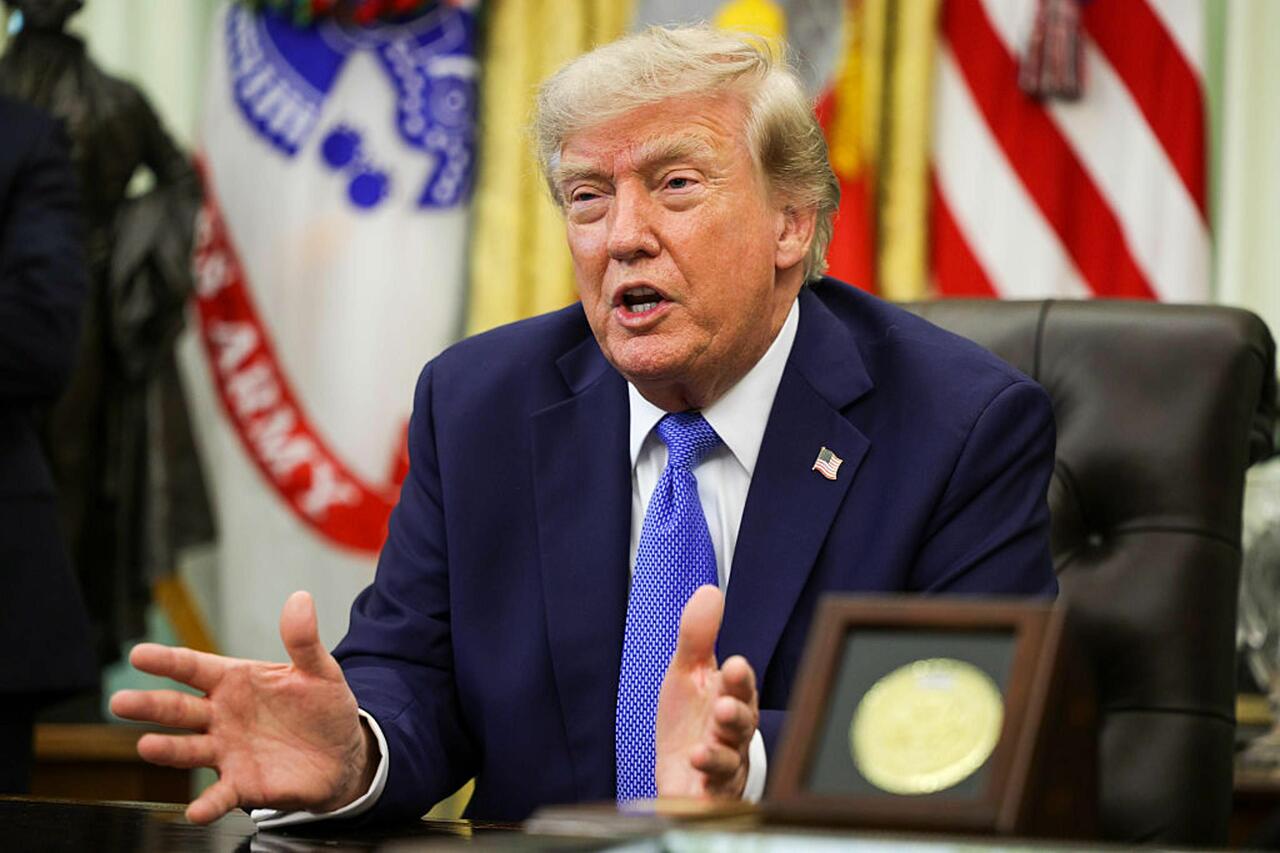
Kudlow, who ran the council during Trump’s first term and remains close to the president, said he had raised two ideas with Trump directly. The first is indexing capital gains to inflation, so investors would be taxed only on real gains rather than on the portion of an increase that simply reflects the dollar losing value. The second is exempting home sales of $2 million or less from capital gains taxes entirely.
“I spoke to him, he liked the idea of the indexing, he liked the idea of a bigger exemption,” Kudlow said, adding that “the boss is very interested.”
Hassett confirmed the broader effort and was unusually direct about the political strategy behind it. “He wants to hit people with the things that are promises that we’re going to do if the Republicans have power in the future,” he said. “So you can expect a lot more policy between now and the midterms.”
The catch
Neither idea can happen without Congress, which means neither is likely to take effect before November. These are campaign commitments contingent on Republicans retaining power, a point Hassett effectively made explicit.
There is a potential workaround, and it has been tried before. Trump’s first administration considered indexing capital gains through executive action, without legislation, but ultimately abandoned the effort. The obstacle is that the tax code’s definition of an asset’s “cost” has long been interpreted to mean the nominal price paid, making any change a matter for Congress rather than Treasury. Kudlow was pushing the unilateral approach as far back as 2018. It didn’t happen then, either.
The legislative route isn’t dead, but it is expensive. Republican Senators Ted Cruz and Tim Scott introduced an indexing bill earlier this year that was estimated to reduce federal revenue by roughly $200 billion. Indexing has never commanded unanimous Republican support, and versions of the idea have repeatedly failed since the Reagan years. Congress passed one in 1995, only for Bill Clinton to veto it as a tax cut for the rich.
Home Sale Exemption
The home-sale exemption may have better bipartisan prospects, for a reason that goes beyond either party’s talking points. The current exclusion – $250,000 for single filers and $500,000 for married couples – was set in 1997 and has never been indexed for inflation, even as the median US home price has nearly tripled. A $500,000 exemption in 1997 dollars would be worth more than $1 million today.
The National Association of Realtors estimates that roughly 34% of American homeowners – about 29 million people – could already exceed the $250,000 single-filer cap, while about 10%, or 8 million, are above the $500,000 joint threshold. The group expects both figures to rise by 2030 and has warned of a “capital gains cliff” that can discourage homeowners from selling, further constraining supply and putting upward pressure on prices.
Midterms
The party holding the White House typically loses ground in midterm elections, and this cycle is not shaping up as an obvious exception. Republicans are contending with voter dissatisfaction over the economy and the war in Iran, while a recent Reuters/Ipsos poll reportedly gave Democrats an edge when voters were asked which party they trusted more to manage the economy.
White House spokesman Kush Desai kept his distance from the specifics. Trump is “always exploring new ideas to Make America Wealthy Again,” he said, “but any policy announcements will come from the Administration directly.”
Which is to say: two proposed tax cuts, no clear legislative path, and eleven weeks until the election.
Tyler Durden
Wed, 08/12/2026 – 11:20