
Trump Takes A Cleaver To “Big Meat” Monopoly, Moves To Let Mom-And-Pop Ranchers Process Own Meat
President Trump’s move to dismantle what Republican Sen. Josh Hawley has called the “modern-day monopoly” in U.S. beef processing reflects growing concern that industry concentration has become a food-security vulnerability.
Four corporations, JBS, Tyson Foods, Cargill and National Beef, dominate cattle purchasing and processing, creating single points of failure across the nation’s beef supply chain. This consolidation has reduced local processing capacity, weakened regional food supply chains and shifted pricing power away from independent ranchers and farmers.
Now, President Trump is changing the game with plans to break the meatpacking monopoly by allowing farmers and ranchers to process their own food.
“For years I have heard that they have had a tremendous problem with the Big Processors, who many say are a nasty Monopoly. There are, essentially, 4 of them, a very non-competitive number, and they make life miserable for our wonderful Farmers and Ranchers,” Trump wrote on Truth Social.
He continued, “So, in order to break this powerful monopoly, with much of its ownership based outside of the U.S., I am authorizing legal documents to be drawn in order to allow Farmers and Ranchers to be given the right to PROCESS THEIR OWN FOOD.”
“This should move quickly,” the president added.

The administration has already opened an antitrust investigation into the meatpacking industry. Roughly 85% of U.S. cattle are purchased by four companies: Tyson Foods, Cargill, JBS and National Beef Packing.
A total of 4 companies control a whopping 80% of the entire beef-processing industry. That’s a modern-day monopoly.
The winners here? The monopolists – like Tyson Foods. The losers? Farmers & grocery shoppers.
We need more industry competition in America pic.twitter.com/UxZc7eoAOZ
— Josh Hawley (@HawleyMO) June 24, 2025
Agriculture Secretary Brooke Rollins said additional measures will be announced Monday, including plans to waive processing regulations and expand ranchers’ ability to sell meat across state lines.
Meanwhile, Thomas Massie wants this to be law.
This is great, but it should be a law, not just an executive order. My PRIME Act has dozens of bipartisan sponsors in the House & Senate. A pilot program for it is in the House farm bill. Pass the PRIME Act so consumers can get affordable U.S. beef and farmers can flourish! 🇺🇸🥩 pic.twitter.com/sSaYH2Nk9g
— Thomas Massie (@RepThomasMassie) August 28, 2026
Vertical integration gives mom-and-pop ranchers something increasingly scarce in American agriculture: absolute control. By raising, processing, and packaging beef within the same operation, ranchers can retain more of the value they create, reduce transportation costs, and build a shorter, more resilient food supply chain.
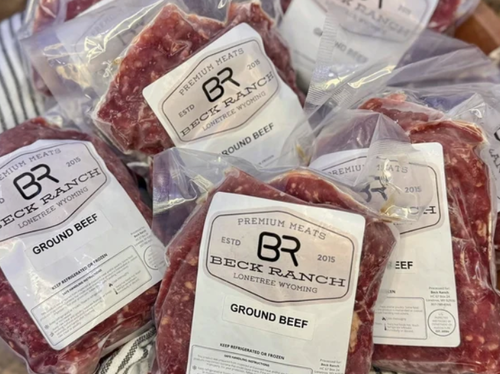
That model is why the ZeroHedge Store partnered with Beck Ranch – which raises its Black Angus cattle on grass-fed pastures without grain, hormones, or antibiotics, and as of October 5th will be processed on-site rather than entering the industrial meatpacking plants. Currently they process locally outside of the big four meatpackers.

For readers who care about knowing where their food comes from, Beck Ranch offers a direct connection to an independent American producer. Every purchase supports a family-run ranch while helping prove that a decentralized alternative.
Tyler Durden
Fri, 08/28/2026 – 15:25