


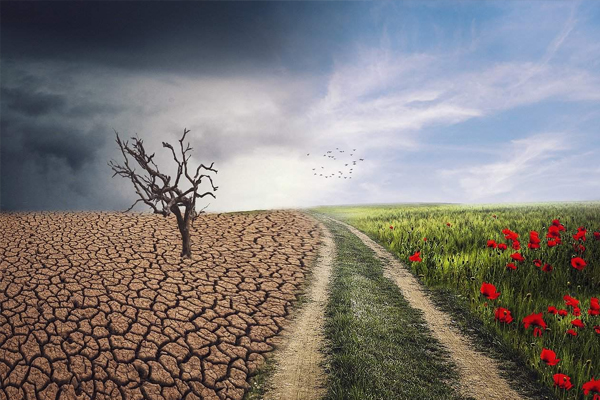
According to a report published by Climate Impact Lab, a “super” El Niño event could cause approximately 451,000 deaths across the globe between September 2026 and February 2027. This climate pattern is likely to result in a 44% increase in extremely hot days. It is caused by warming of sea surface temperatures in the central and eastern equatorial Pacific Ocean. Research suggests that its impacts will be felt most strongly in the Global South.
What is Super El Niño?
The term, sometimes described as ‘Godzilla-level, is not officially used by the World Meteorological Organization (WMO). However, scientists are using it to describe the scale of this weather pattern. It is triggered by sea surface temperatures rising 2°C or more above the historical average. This weather change began in June 2026 and is expected to reach its peak around November 2026, when sea surface temperatures will reach around 4°C above average. Therefore, 2027 is likely to be the hottest year on record.
Scientists were able to identify this phenomenon by combining global seasonal weather forecasts with massive, hyper-localized datasets. Their study focused on how temperature changes have historically determined mortality rates across more than 24,000 regions worldwide.


A 44% increase in extremely hot days means an increase in days when the combined temperature and humidity levels make it difficult for the human body to naturally cool itself. The 451,000 excess deaths will be caused by direct physiological impacts of heat. Moreover, researchers emphasize that the death toll will be much higher as this study does not include indirect casualties. El Niño will contribute to crop failures, droughts, flooding, food shortages, wildfires and a number of tropical diseases, placing more lives in danger.
Global implications of Super El Niño
The extreme weather pattern will cause economic disruption as extreme heat makes outdoor labor impossible. This will result in lower agricultural yields and halted construction projects. Scientists claim that areas that are already naturally hot and relatively poor in the Southern Hemisphere will experience the worst impacts.
For instance, a region where temperatures regularly reach 38°C, an increase of 2°C can have disastrous impacts. Africa’s Sahel region appears to be the most vulnerable in this regard as countries like Niger, Chad, Sudan and Mali, already suffer from extreme baseline temperatures. These areas are likely to drive localized climate migration.
The researchers urge that its findings should be treated as an early warning toolkit. Pre-emptive measures by governments can save countless lives before heatwaves hit with full impact. Governments are urged to set up municipal cooling centers where people without access to air conditioning can seek shelter during peak hours. Introducing public hydration stations in addition to mandatory shade and rest breaks for workers is essential.
Countries are also urged to increase healthcare capacity by ensuring adequate supplies of intravenous fluids and other relevant materials.
In Case You Missed It:


It’s Already Worse Than Anything They’ve Told You About Our Fuel — And It Doesn’t Stop Here
For breaking news from one of the most over the target and censored names in the world join our 100% Free newsletter at Newsletter, The best way to get the information you want.
Also follow us at Gab
Follow us on Gab.com , Like, comment, and subscribe.
Telegram, Join our Telegram chat
Shop Patriot and Detox the Deep State by shopping with our sponsors.
RedPillLiving.com, Home of Sleepy Joe – the world’s most powerful all natural sleep formula.
The Serapeum.com, The Hidden History of Man & The Mystery Babylon Religion of The Deep State.